Hijab Sex Arab Videos Site
The hijab in Arab relationships and romantic storylines is a teacher. It teaches the modern, hyper-sexualized world that anticipation is more potent than gratification. It whispers that a woman’s worth is not in the volume of her hair but in the volume of her voice. It forces the hero to ask, "Who are you?" before he ever asks, "What do you look like?"
Including hijab-wearing characters in Arab romantic storylines is more than a trend; it is a vital step toward genuine inclusivity in storytelling. These narratives validate the experiences of Muslim women who deserve to see themselves as the heroes of their own love stories. By embracing the rich traditions of Arab relationships and the diverse reality of the hijab, modern creators are building a more empathetic, romantic, and beautifully diverse literary and cinematic landscape.
user wants a long article on hijab, Arab relationships, and romantic storylines. I need to cover the keyword comprehensively. My search plan includes exploring the meaning of hijab in romantic relationships, popular storylines in media, modern dating practices, and representation in literature. I will execute the first set of searches now. initial search results provide some relevant links. I need to open some of them to gather more detailed information. I will open result 0 from the first search, result 4 from the first search, result 2 from the second search, result 0 from the third search, result 1 from the third search, result 2 from the third search, result 0 from the fourth search, and result 4 from the fourth search.'ve gathered information from various sources. I need to write a comprehensive article that explores the hijab in modern Arab romance. The article should be structured with sections covering the realities of modern relationships, the hijab as a symbol of modesty, storylines in TV shows, representation in films and novels, digital age dating, challenges and misconceptions, and future trends. I will use the search results to support these sections. the global popular imagination, romance in the Arab and Muslim world is often shrouded in mystery, with the hijab frequently perceived as a static, one-dimensional symbol. However, a closer look at modern film, literature, and reality television reveals a much more complex and vibrant reality. The hijab is not merely a piece of cloth; it is a dynamic identity marker that shapes characters, drives narratives, and adds profound layers of meaning to love stories. From navigating the intricacies of "halal" (permissible) dating to challenging harmful stereotypes, the presence of the hijab in contemporary Arab romantic narratives is a powerful tool for storytelling and cultural reclamation. This article will serve as your ultimate guide to understanding these evolving trends, exploring everything from the do's and don'ts of modern Muslim dating to the most compelling cinematic and literary portrayals of hijabi love. hijab sex arab videos
A popular and compelling trope within this niche is cross-cultural romance. When a hijab-wearing Arab protagonist falls in love with someone from a different cultural or religious background, the storyline naturally expands to address deeper themes of growth, education, and tolerance.
What makes Courting Samira notable is its refusal to exoticize or victimize its hijabi protagonist. Samira is not seeking rescue from her culture or her faith—she is seeking love, respect, and a partner who sees her fully. The novel has been praised as "a beautiful and humanizing exploration of a hijabi Muslim Palestinian-Australian woman whose faith and desire for both connection and whimsy are central to her life". The hijab in Arab relationships and romantic storylines
The way the hijab and Arab culture are represented in media can significantly influence public perceptions and stereotypes. When searching for videos or content related to "hijab sex arab," it's not uncommon to encounter a mix of respectful and disrespectful content. The challenge lies in distinguishing between media that promotes understanding, cultural exchange, and positive representation, versus content that may objectify, misrepresent, or sexualize individuals based on their attire or cultural background.
For many Muslim women who wear the hijab, navigating the dating world comes with unique challenges—not because of the garment itself, but because of the assumptions others make about them. As one young hijabi woman named Edil, 19, explains: "Wearing the hijab can make dating harder because people will make assumptions about your sexual experience, what sort of relationship you're looking for, and even what type of person you are". It forces the hero to ask, "Who are you
offer a vibrant, untapped, and deeply emotional perspective on love. By focusing on agency, character development, and cultural nuance, these stories are proving that romance is universal, regardless of how it is dressed. As representation grows, we can expect to see even more diverse, authentic, and heartwarming stories that celebrate the beauty of these relationships.
Why Choose GiliSoft Video Editor Pro?
One workflow for editing, subtitles, overlays, and audio
It combines trimming, joining, subtitles, mosaic, blur, dubbing, transitions, and export preparation in one editor instead of forcing app switching.
Built for both fast edits and polished exports
Quick clip cleanup and fuller production tasks can stay in the same product, which makes it practical for both daily work and more presentable delivery.
Supports modern creator and business video tasks
Aspect-ratio changes, subtitles, overlays, chroma key, GIF export, and cleaner compression workflows make it useful for social, training, and product content.
Keeps broad editing control approachable on Windows
It gives users more room than a single-purpose tool without forcing them into a much heavier professional editing stack first.
The hijab in Arab relationships and romantic storylines is a teacher. It teaches the modern, hyper-sexualized world that anticipation is more potent than gratification. It whispers that a woman’s worth is not in the volume of her hair but in the volume of her voice. It forces the hero to ask, "Who are you?" before he ever asks, "What do you look like?"
Including hijab-wearing characters in Arab romantic storylines is more than a trend; it is a vital step toward genuine inclusivity in storytelling. These narratives validate the experiences of Muslim women who deserve to see themselves as the heroes of their own love stories. By embracing the rich traditions of Arab relationships and the diverse reality of the hijab, modern creators are building a more empathetic, romantic, and beautifully diverse literary and cinematic landscape.
user wants a long article on hijab, Arab relationships, and romantic storylines. I need to cover the keyword comprehensively. My search plan includes exploring the meaning of hijab in romantic relationships, popular storylines in media, modern dating practices, and representation in literature. I will execute the first set of searches now. initial search results provide some relevant links. I need to open some of them to gather more detailed information. I will open result 0 from the first search, result 4 from the first search, result 2 from the second search, result 0 from the third search, result 1 from the third search, result 2 from the third search, result 0 from the fourth search, and result 4 from the fourth search.'ve gathered information from various sources. I need to write a comprehensive article that explores the hijab in modern Arab romance. The article should be structured with sections covering the realities of modern relationships, the hijab as a symbol of modesty, storylines in TV shows, representation in films and novels, digital age dating, challenges and misconceptions, and future trends. I will use the search results to support these sections. the global popular imagination, romance in the Arab and Muslim world is often shrouded in mystery, with the hijab frequently perceived as a static, one-dimensional symbol. However, a closer look at modern film, literature, and reality television reveals a much more complex and vibrant reality. The hijab is not merely a piece of cloth; it is a dynamic identity marker that shapes characters, drives narratives, and adds profound layers of meaning to love stories. From navigating the intricacies of "halal" (permissible) dating to challenging harmful stereotypes, the presence of the hijab in contemporary Arab romantic narratives is a powerful tool for storytelling and cultural reclamation. This article will serve as your ultimate guide to understanding these evolving trends, exploring everything from the do's and don'ts of modern Muslim dating to the most compelling cinematic and literary portrayals of hijabi love.
A popular and compelling trope within this niche is cross-cultural romance. When a hijab-wearing Arab protagonist falls in love with someone from a different cultural or religious background, the storyline naturally expands to address deeper themes of growth, education, and tolerance.
What makes Courting Samira notable is its refusal to exoticize or victimize its hijabi protagonist. Samira is not seeking rescue from her culture or her faith—she is seeking love, respect, and a partner who sees her fully. The novel has been praised as "a beautiful and humanizing exploration of a hijabi Muslim Palestinian-Australian woman whose faith and desire for both connection and whimsy are central to her life".
The way the hijab and Arab culture are represented in media can significantly influence public perceptions and stereotypes. When searching for videos or content related to "hijab sex arab," it's not uncommon to encounter a mix of respectful and disrespectful content. The challenge lies in distinguishing between media that promotes understanding, cultural exchange, and positive representation, versus content that may objectify, misrepresent, or sexualize individuals based on their attire or cultural background.
For many Muslim women who wear the hijab, navigating the dating world comes with unique challenges—not because of the garment itself, but because of the assumptions others make about them. As one young hijabi woman named Edil, 19, explains: "Wearing the hijab can make dating harder because people will make assumptions about your sexual experience, what sort of relationship you're looking for, and even what type of person you are".
offer a vibrant, untapped, and deeply emotional perspective on love. By focusing on agency, character development, and cultural nuance, these stories are proving that romance is universal, regardless of how it is dressed. As representation grows, we can expect to see even more diverse, authentic, and heartwarming stories that celebrate the beauty of these relationships.

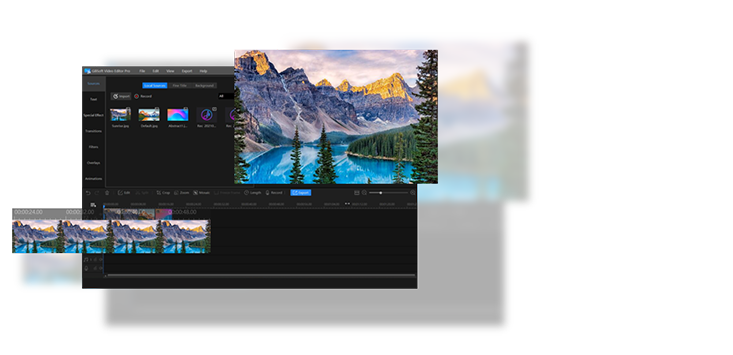



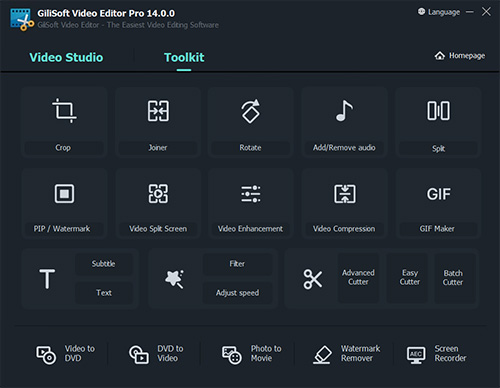

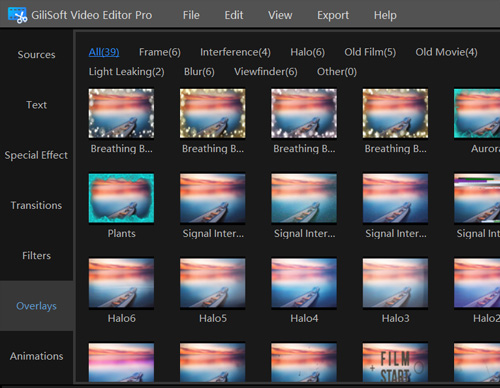

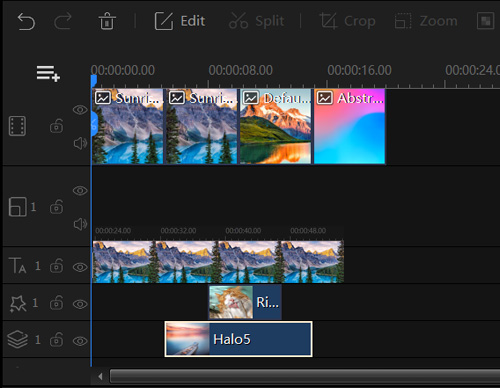


 Editors highlighted practical timeline workflows for cutting, subtitles, overlays, and effects. Coverage noted a useful balance between fast operation and more detailed editing control.