
FireAlpaca | Free Digital Painting Software
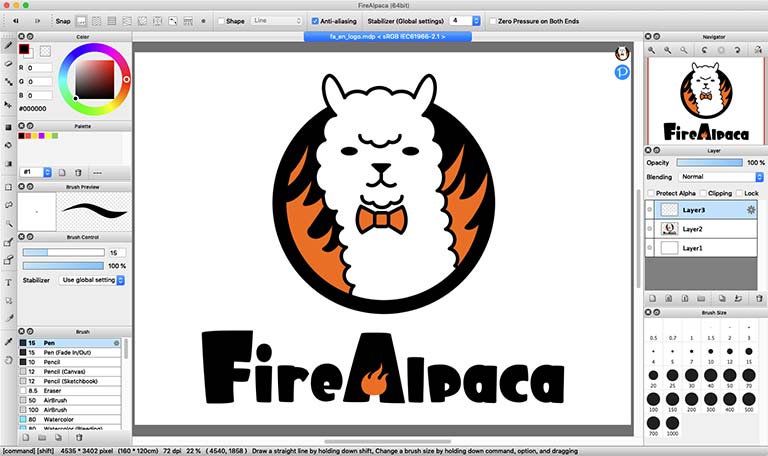
FireAlpaca is the free Digital Painting Software that is available in 10 languages and compatible with both Mac and Windows. Simple tools and controls let you draw an illustration easily.
The future of popular media points toward total immersion. Virtual reality headsets aim to place viewers directly inside their favorite shows. Interactive storytelling allows audiences to choose narrative paths in real time. As generative tools improve, consumers will soon co-create content alongside AI systems. The line between creator and consumer will continue to blur. To make this article perfectly fit your platform, tell me: What is the for this piece? What is your preferred word count or depth? Are there specific SEO keywords you want to add?
Algorithmic curation often reinforces pre-existing biases. By continuously serving content that aligns with a user's current views, platforms can inadvertently create ideological echo chambers, accelerating societal polarization.
As we look forward, the integration of and Virtual Reality (VR) promises to make entertainment content even more personalized. We are moving toward a world where "popular media" might mean an interactive experience tailored specifically to your choices, blurring the reality between the viewer and the story. Vixen.16.12.21.Keisha.Grey.Almost.Caught.XXX.10...
Ultimately, while the tools and delivery mechanisms of popular media will continue to shift at a rapid pace, the core human drive behind entertainment remains unchanged: the desire for connection, validation, and compelling storytelling.
Social media has had a profound impact on the entertainment industry. Platforms like Instagram, TikTok, and Twitter have created new avenues for celebrities to connect with their fans. Influencers and content creators have emerged as tastemakers, shaping popular culture and promoting new talent. Social media has also enabled the discovery of new content, with algorithms and hashtags helping users find and engage with entertainment that resonates with them. The future of popular media points toward total immersion
We are moving toward "participatory media." Audiences no longer want to just watch a story; they want to shape it. From the branching narratives of Bandersnatch to the user-generated worlds of Roblox and Fortnite , entertainment is becoming a collaborative act. The future of content is not a static file to be downloaded, but a dynamic world to be inhabited.
There is a specific anxiety unique to 2026. It isn't about politics or the economy. It is the low-grade panic you feel when you realize you are three episodes behind on Severance Season 3, you haven’t started the new Star Wars series, and everyone at the water cooler is already mourning the finale of that obscure Japanese reality dating show. As generative tools improve, consumers will soon co-create
We are living through the golden age of availability , but the dark age of attention . The best entertainment content right now isn't the one with the biggest explosion or the twistiest finale. It is the one that makes you put your phone down, lean forward, and actually watch .
The democratization of production tools has blurred the line between professional creators and traditional audiences. High-quality cameras, accessible editing software, and direct-to-consumer distribution platforms allow independent creators to build massive, loyal audiences without the backing of traditional Hollywood studios. Algorithmic Curation
What is the for this article (e.g., marketers, students, general public)? What is your desired word count or length constraint?
FireAlpaca is the free Digital Painting Software that is available in 10 languages and compatible with both Mac and Windows. Simple tools and controls let you draw an illustration easily.