Control
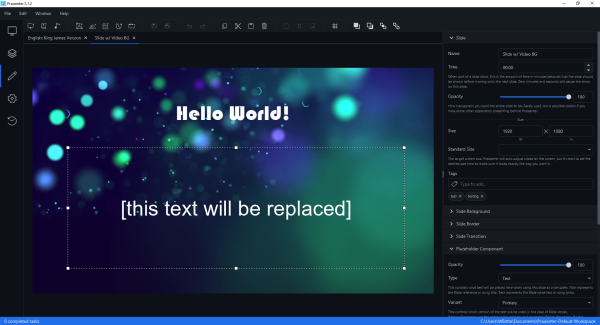
Display unique content on each display
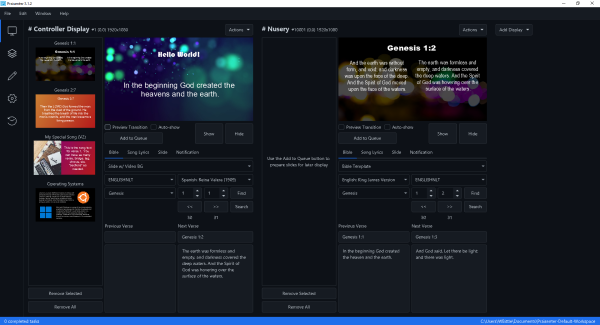
Praisenter allows you to send content to each display independently. The number of displays is dependent on the number of video outputs your system supports.
Praisenter
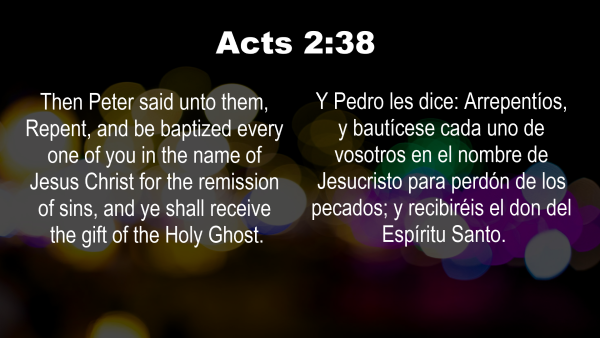
Specialized presentation software tailored for churches, enabling seamless and engaging presentations for worship services and sermons
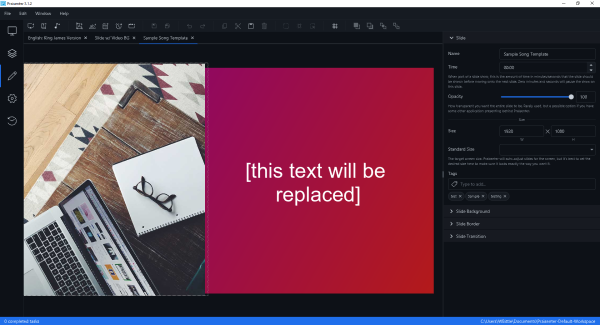
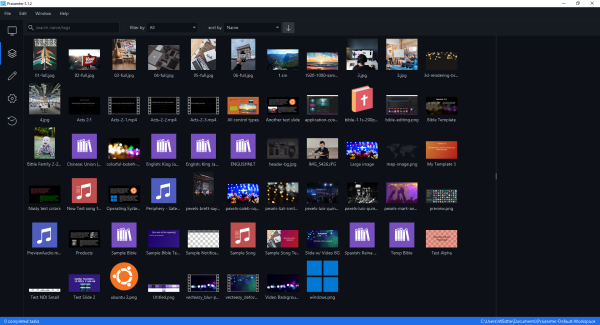
Feature rich
Praisenter is packed with features that make presenting content easy and manageable.
Open source
Praisenter is an open source project built by others that share your passion. This means that you can directly contribute to make Praisenter better.
Free
100% free for any use. No registration or sign-up. No trial period or limited feature set. Just download and enjoy!
Once the Windows 10 desktop environment loads for the first time, complete the infrastructure setup by installing the remaining paravirtualized drivers.
But what exactly is this file? How do you create one, optimize it, or troubleshoot it? This article dives deep into everything you need to know about the Windows 10.qcow2 disk image, from basic creation to advanced performance tuning.
Creating a clean, reliable Windows 10 QCOW2 image requires a Windows 10 ISO file and the Red Hat VirtIO drivers. Because Windows does not natively include drivers for high-performance KVM virtual hardware, these drivers must be injected during installation. Step 1: Prepare Your Environment Windows 10.qcow2
qemu-system-x86_64 \ -accel kvm \ -cpu host \ -smp 4 \ -m 4096 \ -drive file=Windows\ 10.qcow2,format=qcow2 \ -cdrom Win10_22H2_English.iso \ -boot d
For production environments, always use a strategy, enable periodic qemu-img checks, and consider converting to raw only if maximum I/O throughput is required. Once the Windows 10 desktop environment loads for
Linux hosts can deduplicate memory across multiple Windows 10 VMs. Enable it:
What is the for this VM? (Gaming/GPU passthrough, software testing, basic office work?) This article dives deep into everything you need
Some projects provide windows-10.qcow2 images with CloudBaseInit for unattended setup.
Praisenter is available on the Windows, Snap, and macOS app stores. Using the app store is the safest way to ensure you get an official version of Praisenter. Praisenter can also be downloaded from the project site under the Releases section, but these builds require more steps to install properly. If you need help with manual install steps, see this article. Praisenter is open source, so if none of the options above work for you, you can always try building Praisenter yourself by cloning the GitHub repo.
Windows 10 x64 or higher

Ubuntu 22.04 x64 or higher

macOS Catalina (10.15) or higher
Once the Windows 10 desktop environment loads for the first time, complete the infrastructure setup by installing the remaining paravirtualized drivers.
But what exactly is this file? How do you create one, optimize it, or troubleshoot it? This article dives deep into everything you need to know about the Windows 10.qcow2 disk image, from basic creation to advanced performance tuning.
Creating a clean, reliable Windows 10 QCOW2 image requires a Windows 10 ISO file and the Red Hat VirtIO drivers. Because Windows does not natively include drivers for high-performance KVM virtual hardware, these drivers must be injected during installation. Step 1: Prepare Your Environment
qemu-system-x86_64 \ -accel kvm \ -cpu host \ -smp 4 \ -m 4096 \ -drive file=Windows\ 10.qcow2,format=qcow2 \ -cdrom Win10_22H2_English.iso \ -boot d
For production environments, always use a strategy, enable periodic qemu-img checks, and consider converting to raw only if maximum I/O throughput is required.
Linux hosts can deduplicate memory across multiple Windows 10 VMs. Enable it:
What is the for this VM? (Gaming/GPU passthrough, software testing, basic office work?)
Some projects provide windows-10.qcow2 images with CloudBaseInit for unattended setup.