Indian Aunty Hidden Bath 3gp Video Upd !!link!! -
: Daily life is deeply communal, involving shared water gathering, cooking, and village assemblies.
: Feeding guests is considered a sacred duty, with women traditionally hosting elaborate multi-course meals. Fashion: From Heritage Saris to Fusion Wear
The culture and lifestyle of Indian women cannot be reduced to a single narrative. It is a vibrant, shifting mosaic. She is the protector of tradition and the pioneer of change—equally comfortable reciting ancient shlokas as she is coding the next big app. Her story is one of resilience, adaptation, and an unwavering pride in her identity.
This unstitched fabric, ranging from five to nine yards, remains the ultimate symbol of Indian elegance. Regional variations like Banarasi silk, Kanjeevaram, and Chanderi reflect local weaving legacies. indian aunty hidden bath 3gp video upd
While urban women enjoy immense freedom, many rural women still battle patriarchal norms, limited healthcare access, and early marriage pressures.
Yoga is viewed not just as exercise, but as a lifestyle choice to manage stress. In urban areas, gyms, Pilates, and running clubs have seen a massive surge in female participation.
Organizations like the All India Women's Conference, the National Commission for Women, and the Self-Employed Women's Association have worked tirelessly to promote women's empowerment, address violence against women, and advocate for policy changes. : Daily life is deeply communal, involving shared
Despite professional success, many working women balance the "second shift," managing demanding careers alongside traditional domestic expectations. Culinary Arts and Wellness
The socioeconomic status of Indian women has shifted dramatically over the past few decades, driven by legal reforms and higher education.
Simultaneously, India is educating more women than ever before. Female enrollment in higher education has crossed the halfway mark for the first time, now at 50.57%. This success in the classroom, however, has not fully translated into the workforce. A significant number of women drop out of their careers during key life stages, particularly marriage and childbearing years, due to a lack of flexible work options and supportive policies. Despite these challenges, women are making their mark as entrepreneurs. Schemes like "Mission Shakti" and the Stand-Up India scheme have helped facilitate over 235,000 loans to women entrepreneurs, and the 2025 budget announced a new scheme to provide term loans of up to ₹2 crore to first-time women entrepreneurs. It is a vibrant, shifting mosaic
In contrast, women in some of India's more conservative regions, such as Uttar Pradesh and Bihar, continue to face significant challenges in terms of education, employment, and social mobility. However, even in these regions, there are signs of change, with women increasingly becoming involved in local politics, entrepreneurship, and social activism.
The Indian woman today is redefining "culture."
In traditional Indian society, women played a vital role as caregivers, homemakers, and nurturers. Their primary responsibilities revolved around managing the household, taking care of children, and ensuring the well-being of their families. Indian women were often expected to prioritize their family's needs over their own, adhering to the selfless and sacrificing ideals of motherhood and wifehood. The traditional Indian woman was also expected to be submissive, obedient, and devoted to her husband, with her role confined to the domestic sphere.
In addition to these challenges, Indian women have made significant strides in various fields. For example, Indira Gandhi, the first female Prime Minister of India, played a key role in shaping the country's foreign policy and economic development. Kalpana Chawla, an Indian-American astronaut, became the first woman of Indian origin to travel to space.
Despite regional differences (Punjabi vs. Tamil vs. Bengali), there is a universal bond.
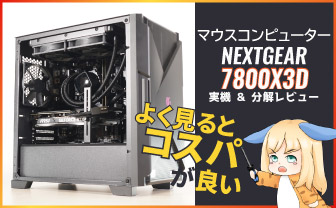
 NEXTGEAR 7800X3Dの実機レビュー
 LEVEL∞の実機レビュー
 GALLERIAの実機レビュー
 【予算10万円】自作PCプラン解説
 おすすめグラボ:7選
 おすすめのSSD:10選
 おすすめCPU:10選
 おすすめの電源ユニット10選
 ゲーミングモニター解説
 4Kのおすすめゲーミングモニター
 WQHDおすすめゲーミングモニター
 240 Hzゲーミングモニター:9選
 【PS5】おすすめゲーミングモニター
 ゲーミングモニターの選び方を解説
 「Display HDR」って何?
 「応答速度」の測定方法
 ゲーミングPC解説
 「RTX 5070 Ti」搭載ゲーミングPC
 「ツクモG-GEAR」実際に使ったレビュー
 おすすめなゲーミングPC:7選
 「日本HP」のPCを安く買う方法
 「ドスパラ」でおすすめなゲーミングPC
 「フロンティア」のお得な選び方
LINEスタンプ発売中
「ちもろぐ」の筆者

やかもち
関西エリアに生息する、平成生まれのウサトラ混合種。自作PCパーツやゲーミングモニターの測定にハマってる20代です。コスパの良いモノを探すをモットーに、測定機材を使った検証レビューをブログに書いてます。(→プロフィール詳細)
 やかもちのTwitterアカ
筆者お気に入りの通販


筆者が使ってる光回線